


A spa amenities supplier Dubai hotels choose is shaping far more than the look of a bathroom shelf. Each bottle, fragrance, and finishing detail becomes part of the guest’s first impression - a quiet signal of the property’s standards, sense of place, and approach to care.
For hospitality teams, the strongest amenity programs do not simply provide the basics. They turn familiar moments, from an early shower to an evening wind-down, into small daily rituals. In a city known for considered service and memorable stays, this distinction matters.
What Guests Notice Before They Read the Label
Guests may not be able to name every ingredient in a body wash, but they notice how it feels in the hand, how it scents the room, and whether the packaging belongs in the space. An amenity that feels generic can interrupt an otherwise carefully designed room. One that is thoughtfully formulated and beautifully presented extends the hotel’s point of view.
The most effective collections balance sensory appeal with restraint. A fragrance should feel clean, calming, and appropriate for different tastes rather than overly sweet or overpowering. Textures should feel comforting and refined, while formulas should leave skin feeling fresh, soft, and hydrated. These details create an experience that feels generous without being excessive.
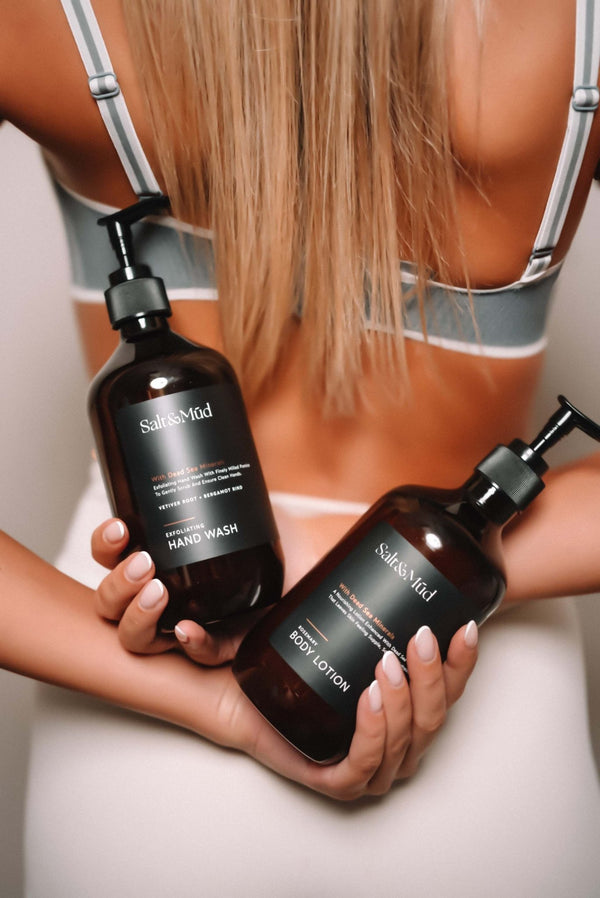
For properties with a wellness-led identity, mineral-rich ingredients offer a compelling foundation. Dead Sea mud and minerals bring a sense of natural provenance to body care, allowing a hotel to connect everyday cleansing with a more restorative, destination-inspired ritual. The story must be supported by the experience itself: elegant fragrance, polished design, and formulas guests will genuinely enjoy using.
Choosing a Spa Amenities Supplier in Dubai
A beautiful sample is only the beginning. When choosing a spa amenities supplier in Dubai, hospitality buyers should assess the partnership behind the product as closely as the product itself. Reliable fulfillment, consistent quality, and responsive communication are essential when a guest experience depends on the smallest details being in place.
Start with the property’s character
There is no single amenity collection that suits every hotel. A boutique urban retreat may favor understated bottles and a subtle botanical profile. A resort with a strong spa concept may want richer textures, mineral storytelling, and accessories that invite guests to linger. Family-oriented properties may prioritize intuitive, easy-to-use formats, while suites and villas can accommodate more generous rituals.
Before reviewing options, define what the amenities need to express. Consider the interiors, the guest profile, the property’s fragrance environment, and whether the bathroom is meant to feel crisp and minimal or warm and immersive. This clarity prevents a common mistake: selecting a premium-looking range that does not feel native to the stay.
Look beyond the hero products
Shampoo, conditioner, body wash, and body lotion are the foundation, but the full experience is often decided by the surrounding details. Hand wash and hand lotion at the vanity, bath salts for a suite, a body bar beside the basin, or a refined accessory can add depth where it makes sense.
The goal is not to add products for their own sake. It is to create moments of care that suit the room category and the guest journey. A well-chosen edit feels intentional. An overcrowded counter can feel confusing, create unnecessary waste, and make housekeeping more difficult.
Ask how the supply model works in practice
A supplier should be able to explain replenishment cadence, lead times, order minimums, quality controls, and the process for resolving an urgent shortfall. These operational conversations are not glamorous, but they protect the polished experience guests expect.
For hotels serving the UAE and wider GCC, climate and storage conditions also deserve consideration. Product stability, packaging durability, and stock planning should reflect the realities of warm environments and high occupancy periods. A practical supplier will help the hotel build a program that looks composed during peak demand, not only in a presentation meeting.
Sustainability Must Work at Housekeeping Level
Luxury and sustainability can go hand in hand, but only when the system is easy for teams to maintain. Guests increasingly notice unnecessary single-use plastics, yet a switch to larger formats is not automatically a better answer. Dispenser placement, hygiene protocols, refilling procedures, and product security all need to be considered.
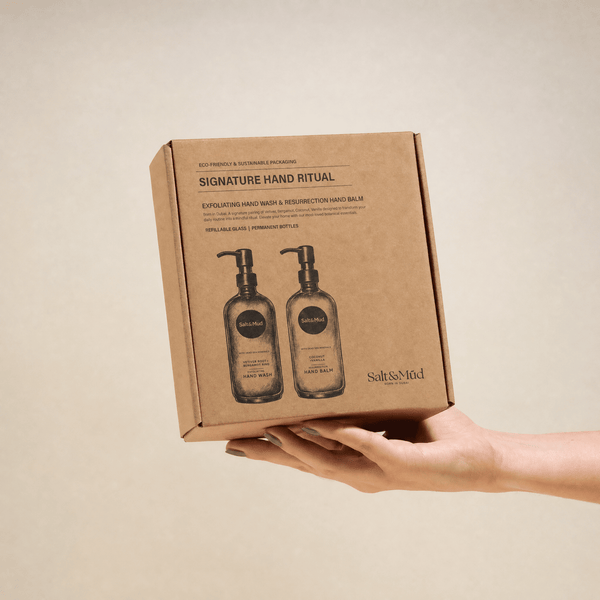
Refillable formats can reduce packaging waste and create a more elevated, residential feel. They are especially effective when bottles are designed to complement the room and are supported by dependable refills. However, high-turnover properties may need a model that balances refill efficiency with straightforward housekeeping routines.
Recycled materials and thoughtfully minimized secondary packaging are meaningful choices, particularly when they support rather than compromise durability. Ask prospective suppliers to be specific about the materials used, the refill options available, and how the program reduces avoidable waste over time. Broad sustainability language is less useful than a clear plan that a hotel team can implement.
Why Ingredient Storytelling Elevates the Stay
Amenities become more memorable when they give guests a simple, credible story to take with them. Ingredient-led collections provide that story without requiring a long explanation on the label. Mineral salts, mud, botanical oils, and refined aromatic notes can evoke a feeling of balance and self-care while remaining appropriate for daily use.
The best storytelling is confident and concise. Rather than making exaggerated promises, it focuses on sensory and cosmetic benefits: a body lotion that feels hydrating, a cleansing gel that leaves skin refreshed, or a mineral-infused ritual that invites a pause after travel. This approach feels more credible and more aligned with modern luxury.
For hotels, the story can continue beyond the bathroom. Spa retail, welcome gifting, turndown rituals, and curated suite amenities can all draw from the same visual and sensory world. The result is a cohesive guest experience instead of a series of disconnected touchpoints.
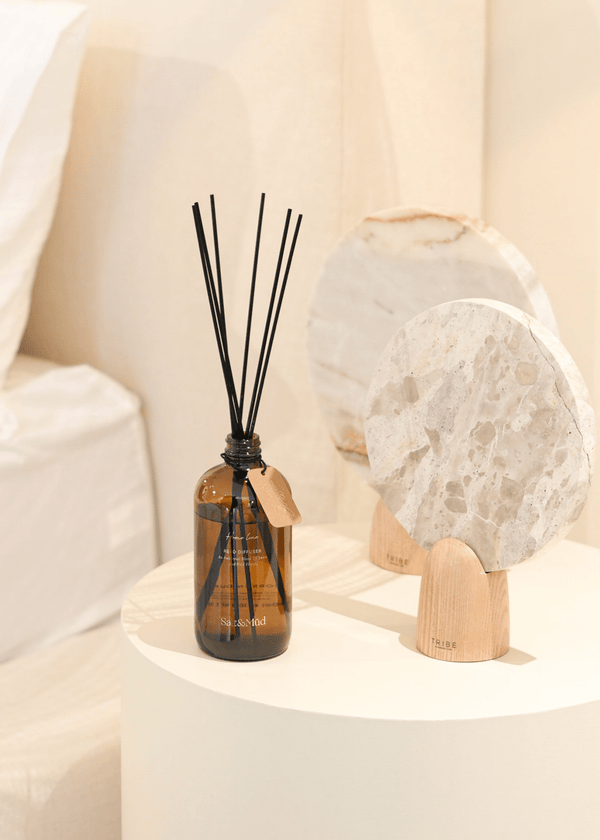
Salt & Mūd approaches hospitality amenities through this lens, pairing Dead Sea-inspired body care with refined design, mindful materials, and rituals made for moments of reset.
Samples Should Be Tested Like a Guest Would Use Them
Samples are essential, but they should be evaluated in the room rather than only in a boardroom. Place them in the actual bathroom, under the property’s lighting, beside existing fixtures, and ask multiple teams for feedback. Housekeeping can comment on dispensing and cleaning. Operations can assess storage and replenishment. Guest relations can consider whether the collection reflects the hotel’s promise.
A useful trial also considers how products perform across a complete stay. Does the conditioner feel appropriate after repeated use? Does the lotion absorb comfortably? Is the fragrance pleasant in a compact bathroom? Do labels remain clear when exposed to moisture? The answers reveal whether an amenity range is genuinely ready for hospitality.
Build an Amenity Program Guests Remember
The right supplier is not simply a source of miniature bottles. It is a partner in translating a hotel’s standards into a private, personal ritual. Product quality matters, but so do thoughtful formats, dependable operations, and an approach to sustainability that works beyond the marketing brief.
When the collection feels considered, guests sense it without needing to be told. A mineral-rich wash after a long flight, a softly scented lotion before dinner, or a beautifully kept refillable bottle at the vanity can make a room feel less temporary and more like a place to relax, recharge, and find balance.