

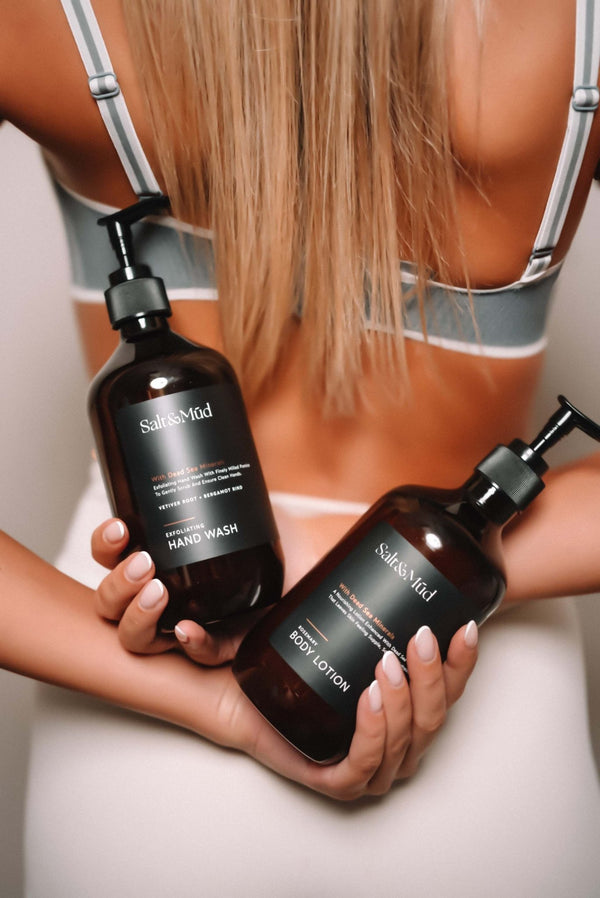

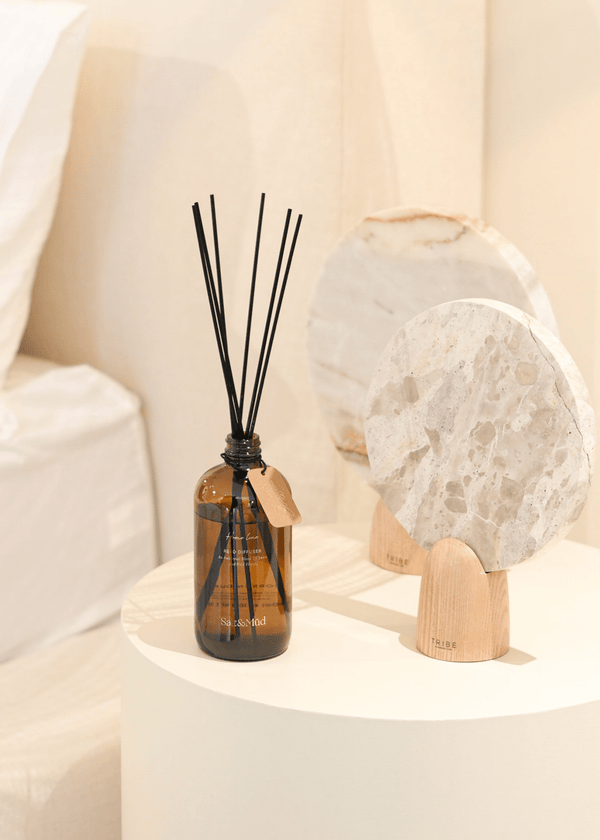

A bath can be the quietest part of the day - provided the products in it feel as considered as the time you have set aside. The question of how to choose bath salts is less about finding the strongest fragrance or the prettiest jar and more about matching a formula to the ritual you want to create: restorative, grounding, brightening, or simply unhurried.
The best choice should leave the water inviting, the experience beautifully sensory, and your skin feeling comfortable afterward. A few details make all the difference, from the source of the minerals to the texture of the crystals and the ingredients blended around them.
Start With the Kind of Bath You Want
Before reading a label, decide what you want from the moment. On a busy evening, you may prefer an uncomplicated mineral soak with a clean, soft scent. For a slower weekend ritual, a more aromatic blend with botanical notes can help set a distinct atmosphere in the room.
This is also where personal preferences matter. Some people enjoy a fragrance that lingers gently on the skin, while others prefer an unscented or lightly scented option that lets their body lotion, candle, or evening routine take the lead. Neither is inherently better. The most luxurious bath is the one that feels natural to you, not overwhelming.
Think about the practical setting, too. If you are running a bath just before bed, choose a scent that feels calm and understated rather than vivid or overly sweet. If it is part of an at-home reset before an event or a relaxed afternoon, brighter citrus, floral, or herbaceous notes may feel more fitting.
How to Choose Bath Salts by Mineral Source
Not all bath salts begin with the same base. The mineral source affects the character of the product, the feel of the crystals, and the story behind the ritual. Looking beyond the word “salt” is one of the simplest ways to shop more intentionally.
Dead Sea salts for a mineral-rich ritual
Dead Sea salt is valued for its naturally occurring blend of minerals, including magnesium, potassium, and calcium. Its appeal is both sensory and elemental: it brings a sense of place to an everyday bath and makes the water feel like a deliberate part of your self-care routine rather than an afterthought.
For those drawn to a refined, nature-led experience, this is a beautiful place to begin. Dead Sea salts often suit rituals centered on softening the feel of the skin, creating a comforting soak, and taking a pause from the pace of the day. At Salt & Mūd, these mineral-rich ingredients are central to the idea that daily care can feel elevated without becoming complicated.
Epsom salt for a simple, familiar soak
Epsom salt, or magnesium sulfate, is a common choice in bath blends and has a finer, more familiar appearance than many sea salt crystals. It can be an approachable option for those who prefer uncomplicated formulas or like to customize their bath with a few drops of a suitable bath oil.
The trade-off is experiential. A plain Epsom salt soak can be wonderfully minimal, but it may not offer the layered mineral profile or destination-inspired character that draws many people to Dead Sea salt. Consider whether you want a basic bath staple or a more immersive ritual.
Sea salt blends for texture and variety
Some products combine different salts to create visual interest and a particular texture. Larger crystals can look striking in the jar and dissolve more gradually, while smaller grains disperse quickly through the water. A blend may offer the best of both, but the ingredient list should still be clear about what you are getting.
Read the Ingredient List With a Light Touch
A short, recognizable ingredient list is often a promising sign, especially if you are choosing bath salts for frequent use. Start with the salt base, then look at what has been added for scent, color, and skin feel.
Botanical oils, dried petals, and plant extracts can make a bath feel more special, but more is not always more. A formula crowded with heavy fragrance, intense coloring, or glitter-like additives can be visually dramatic while feeling less aligned with a clean, calming routine. If you have a sensitive relationship with fragrance, choose a lightly scented formula and patch test where appropriate before committing to a full bath.
Oil is another consideration. A small amount of oil can lend a more cushioned, nourishing feel to the water and help skin feel supple after bathing. However, oil-rich salts can leave the tub slippery, especially on smooth surfaces. If you choose them, use a modest amount, enter and exit carefully, and rinse the tub after your soak.
Avoid assuming that natural automatically means fragrance-free or gentle for every person. Essential oils are aromatic and beautiful, but they are still potent. The right formula is the one that works comfortably with your preferences, routine, and skin.
Let Scent Set the Mood, Not Dominate It
Fragrance is often what transforms bath salts from a useful product into a memorable ritual. The key is balance. You should be able to notice the scent as the steam rises, without feeling that it competes with the rest of your evening.
Floral notes such as rose, neroli, or lavender can create a classic, enveloping atmosphere. Citrus notes tend to feel fresh and clear, while woods, amber, and warm herbs bring depth to cooler evenings. Mineral-forward blends with subtle scent are especially well suited to those who prefer an understated expression of luxury.
When choosing a fragrance, consider the rest of your routine. If you regularly use a scented body cleanser or body cream, a quieter bath salt may create a more harmonious experience. If your bath is the main event, a more expressive blend can carry the moment on its own.
Choose a Texture That Fits Your Routine
Crystal size may seem like a small detail, but it changes the experience. Fine salts dissolve quickly and are ideal when you want to run a bath without waiting. Coarser crystals feel more substantial in the hand and make a beautiful display, though they may need a little extra time and warm water to fully disperse.
For easy measuring, look for packaging with a scoop, wide opening, or refillable vessel that stays neat near the bath. A resealable format matters in humid bathrooms, where moisture can cause salts to clump. If you enjoy a bath regularly, refill options can also reduce unnecessary packaging while keeping a favorite ritual close at hand.
Consider the Whole Ritual, Including the Packaging
Premium self-care should feel thoughtful from the first touch to the final rinse. A well-designed container can turn bath salts into part of the room rather than something to hide in a cabinet. It also makes a meaningful difference when the packaging is reusable, recyclable, or made with recycled materials.
This does not mean every bath product must be displayed or decanted. Convenience has its own value. But if you are building a more intentional routine, choose a format that fits your space and habits. A refillable jar may suit a calm, considered bathroom shelf, while a pouch can be practical for travel or replenishing a container you already love.
Use Enough Salt, Then Give Yourself Time
Follow the suggested amount on the product label, since crystal size and formula concentration vary. Add salts under warm running water and swirl the bath with your hand to help them dissolve. Water that is comfortably warm, rather than excessively hot, usually makes the experience more pleasant and keeps the ritual from feeling rushed.
Set aside enough time to actually enjoy it. Bring a glass of water, dim the lights, and leave your phone outside the room if you can. Afterward, pat skin dry rather than rubbing vigorously, then apply a body cream or oil while skin is still slightly damp for a soft, polished finish.
Choosing bath salts is ultimately an invitation to pay attention to what restores your sense of balance. Let mineral quality, thoughtful ingredients, and a scent you genuinely love guide you toward a bath that feels less like a pause button and more like a ritual worth returning to.