

A body scrub should leave skin feeling polished, soft, and renewed - not tight, stingy, or uncomfortable. So, can body scrub cause irritation? It can, particularly when the exfoliation is too frequent, too forceful, or paired with a formula that does not suit your skin at that moment. The good news is that a few thoughtful adjustments can preserve the pleasure of the ritual while helping your skin feel more comfortable.
Exfoliation is not about scrubbing harder for a more dramatic result. It is about creating a measured moment of care: warm water, gentle pressure, and a formula chosen for your skin’s changing needs. When approached this way, a body scrub can become a beautiful part of a restorative routine rather than a source of unwanted sensitivity.
Can body scrub cause irritation? Yes, and context matters
Body scrubs work through physical exfoliation. Fine grains, salts, sugars, or other textured particles lift away surface buildup as you massage them over damp skin. This tactile action is satisfying, but it also means technique matters as much as the product itself.
Irritation may appear when skin is already feeling dry or depleted, when the scrub’s particles are too coarse for a particular area, or when friction is repeated for too long. Fragrance and certain botanical ingredients can also be a consideration for people who know their skin is especially reactive to scented products.
It is not always the scrub alone. A long hot shower, shaving, waxing, dry weather, air conditioning, or wearing close-fitting clothing afterward can make skin feel less comfortable. Think of your body-care ritual as a sequence. Each step influences the next.
Signs your exfoliation may be too much
Skin does not need to look visibly red to tell you it would prefer a gentler approach. Pay attention to how it feels during the ritual and in the hours that follow. Common signs include:
- A stinging, prickly, or burning sensation during application
- Persistent tightness after rinsing and drying off
- Roughness that seems more noticeable rather than softened
- Skin that feels uncomfortable when applying body lotion or wearing clothing
The most common reasons a body scrub feels irritating
Too much pressure
Pressure is often the simplest factor to change. Many people instinctively scrub more firmly on areas that feel rough, such as elbows, knees, ankles, and heels. Yet firm circular motions can create more friction than these areas need.
Instead, let the texture do the work. Use the flat of your hand, not your fingertips, and massage with a light touch. A scrub is not meant to sand the skin smooth. Gentle, brief contact is usually enough to leave it feeling refined.
Exfoliating too often
More frequent exfoliation does not necessarily deliver softer-looking skin. In fact, when skin is scrubbed before it has had time to feel comfortable and replenished, the result can be dryness and sensitivity.
For many people, once or twice a week is a balanced starting point. Very dry-feeling skin, or skin exposed to seasonal shifts, may prefer less frequent exfoliation. Your ideal rhythm can change with the weather, your shower habits, and the rest of your body-care routine.
Choosing the wrong texture for the area
Not every part of the body needs the same level of polish. The upper chest, neck, and inner arms often appreciate a lighter touch than heels or elbows. Areas freshly shaved or waxed are also best left alone for a little while.
A scrub with a smooth, well-dispersed texture can feel more elegant and controlled than one with large, uneven particles. Before applying, gather a small amount in your palm and add a little water if needed. This helps the product glide rather than drag across the skin.
Applying it to dry skin
Unless a product specifically directs otherwise, body scrub is generally most comfortable on thoroughly wet skin. Water softens the experience, helps particles move more easily, and reduces the temptation to press too firmly.
Stand under warm, not very hot, water for a moment before exfoliating. Then apply the scrub in small sections. This creates a calmer ritual and makes it easier to notice when an area has had enough attention.
Skipping moisture afterward
Exfoliation and moisture belong together. Once you have rinsed and gently patted your skin dry, follow with a nourishing body lotion, cream, or oil while skin still feels slightly damp. This step helps leave the surface feeling cushioned and supple rather than exposed.
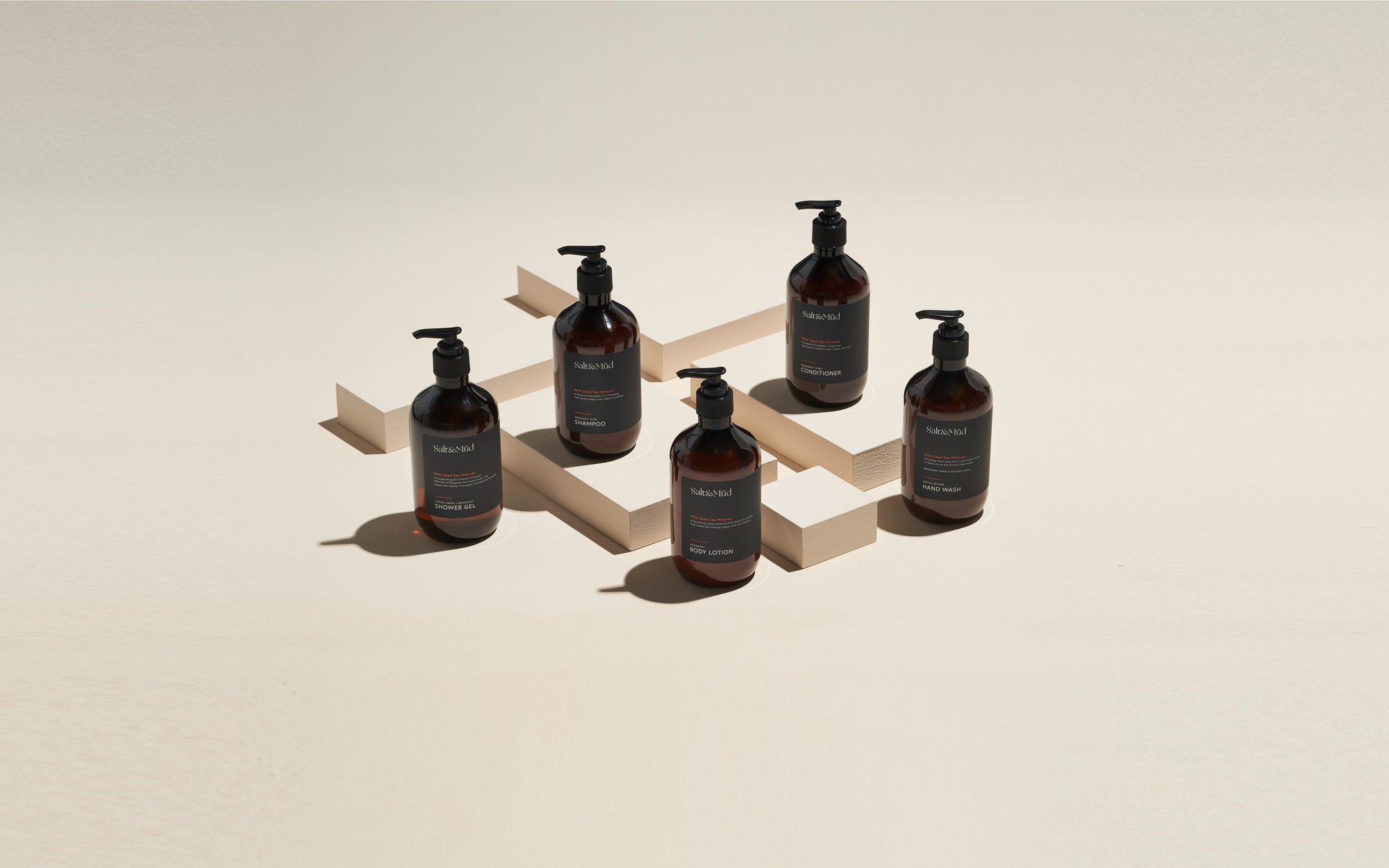
A mineral-inspired body ritual can be especially inviting here. Salt & Mūd pairs the sensory appeal of Dead Sea minerals with formulas designed to make everyday care feel considered, from the first warm rinse to the final layer of moisture.
A gentler way to use body scrub
A refined exfoliation ritual does not need to take long. Begin after cleansing, when your skin is damp and warm. Use a small amount of scrub and move slowly over areas that tend to feel dry or uneven. Keep the pressure light and limit each area to a few soft passes.
Rinse thoroughly, then pat dry instead of rubbing with a towel. Follow immediately with moisturizer, and choose breathable, comfortable clothing if your skin has just been exfoliated. This is particularly helpful after an evening shower, when you can let the ritual end quietly rather than rushing into heat, exercise, or tight layers.
Avoid combining several exfoliating steps in one session. For example, a scrub, exfoliating glove, rough towel, and close shave can be more than skin needs at once. Choose one method, keep it gentle, and allow the rest of your routine to focus on comfort and hydration.
How to introduce a new body scrub thoughtfully
Even a beautifully formulated scrub may not suit every person in every season. Before using a new product across the body, try a small amount on one discreet area of skin. Rinse as directed, then give your skin time to show you how it feels over the next day.
This small pause is especially worthwhile if you are sensitive to fragrance, essential oils, or particular plant-derived ingredients. It also helps to read the label closely. A formula can be luxurious, natural, and thoughtfully made while still containing ingredients that are personal preferences or sensitivities for you.
There is no prize for using a scrub because it is scheduled in your routine. If your skin feels dry, uncomfortable, or newly exposed after hair removal, let moisture take center stage instead. Your ritual should respond to your skin, not override it.
When to take a break from exfoliation
Set the body scrub aside when skin feels tender, overly dry, or uncomfortable even with light touch. It is also wise to skip exfoliation immediately after hair removal, after significant sun exposure, or when you have used another intense body treatment.
Return only when your skin feels calm and comfortable, beginning with a small amount and very light pressure. That flexibility is not a compromise in your self-care routine. It is what makes the routine genuinely attentive.
The most luxurious body ritual is one your skin can enjoy. Keep the water warm, the pressure soft, the frequency considered, and your moisturizer close by. A little restraint can make every polished, mineral-rich moment feel all the more restorative.