



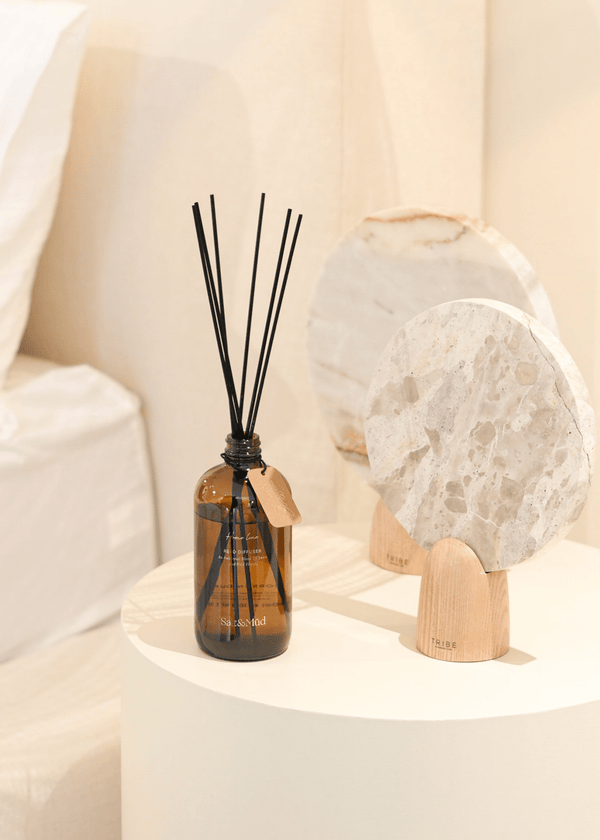

A beautiful scent can turn a shower, a candlelit evening, or the final step of a body-care ritual into a small moment of restoration. But if that moment is followed by a heavy head or discomfort, it is reasonable to ask: can natural fragrance cause headaches? For some people, yes. Natural ingredients can still have a strong sensory presence, and the way we respond to fragrance is highly individual.
That does not mean natural fragrance is inherently harsh, nor does it mean you need to remove every scented pleasure from your home. It means choosing fragrance with the same intention you bring to the rest of your routine: noticing what feels good, what feels like too much, and what helps you feel most at ease.
Can Natural Fragrance Cause Headaches? Yes, for Some People
Natural fragrance commonly comes from aromatic botanical materials such as essential oils, absolutes, extracts, and resins. Lavender, citrus peel, rose, eucalyptus, sandalwood, and peppermint are all familiar examples. They may feel connected to nature, but they are also complex blends of aromatic compounds that the nose and brain register quickly.
A headache after using a fragranced product is not necessarily proof that one particular ingredient is the cause. Scent sensitivity can be influenced by the intensity of the aroma, how long you are exposed to it, the size and ventilation of the room, and what else is happening that day. Stress, fatigue, dehydration, skipped meals, screen time, and other environmental scents can all shape the experience.
The distinction matters because “natural” is not a synonym for “non-reactive.” It describes an ingredient’s source, not a guarantee that every person will find its aroma comfortable. The same applies in reverse: a fragrance-free product is not automatically the only thoughtful choice for everyone. Personal tolerance is the more useful guide.
Why Certain Natural Scents May Feel Overwhelming
Fragrance is deeply personal, but there are practical reasons some natural aromas may feel more noticeable than others. Essential oils are concentrated. A few drops can carry the character of a large amount of plant material, especially in steam, warm water, or a room with limited airflow.
Fresh, green, herbal, minty, and citrus notes often have an immediate brightness that can feel energizing to one person and too sharp to another. Rich florals, woods, resins, and spice notes can linger longer in the air or on skin and fabrics. Neither family is better or worse. The right choice depends on your preferences, the setting, and the concentration of the formula.
A scent can also feel different depending on how it is used. A softly fragranced body wash that is rinsed away may be experienced very differently from a perfume oil worn near the face all day. A reed diffuser in an open living area is not the same as a candle burning beside a desk for several hours. Context changes intensity.
The role of scent layering
Headaches can sometimes arise from accumulation rather than a single product. A fragranced shampoo, body lotion, deodorant, laundry product, room spray, and candle may create a much stronger overall fragrance environment than any one item suggests.
If you enjoy fragrance but occasionally feel overwhelmed, simplify the layers. Keep one part of your routine scented and choose quieter companions around it. You might reserve a favorite home fragrance for the evening, then keep daytime body care subtle. This approach preserves the pleasure of scent without making it the constant backdrop to every moment.
How to Build a More Comfortable Scent Ritual
There is no universal list of “safe” scents for headaches because sensitivity varies so widely. Instead of chasing a perfect ingredient list, pay attention to your own patterns. A gentle, observant approach is more likely to lead to a routine you genuinely enjoy.
Start with one new fragranced item at a time, especially if you are returning to scent after a break. Use it in a small amount and notice how you feel during and after use. If you are trying a home fragrance, place it in a well-ventilated space and use it for a shorter window at first. With body products, a rinse-off format or a lightly scented hand cream may feel easier to assess than a heavily fragranced product designed to last all day.
It can help to make a simple note of the scent, product type, time of day, and setting when discomfort occurs. Over a few weeks, you may notice that the issue is not floral fragrance as a whole, for example, but stronger floral blends in a warm room. Or you may find that a scent you love at night is not the one you want during a busy workday.
Consider these four adjustments if scent sometimes feels like too much:
- Choose lightly fragranced or fragrance-free options for products used close to the face.
- Open a window or use fragrance in larger, well-aired rooms when possible.
- Avoid introducing several new scented products in the same week.
- Give towels, bedding, and clothing time to air out if fragranced laundry products seem to linger.
Read Labels With Curiosity, Not Fear
Ingredient labels can be useful, but they do not always tell the full sensory story. “Fragrance” or “parfum” may refer to a blend, while botanical ingredients may be listed by their botanical names. A formula can contain naturally derived aromatic ingredients and still be quite noticeable, particularly when it is designed for a luxurious, long-lasting scent experience.
When possible, consider both the ingredient list and the product’s intended use. A bath product, body oil, soap, and room diffuser each create a different level of exposure. Product descriptions can also offer clues about the fragrance profile. Words such as crisp, invigorating, vibrant, deep, enveloping, or intensely aromatic often signal how present a scent may feel.
If a product is new to you, a small patch test can be useful for observing how your skin responds, but it cannot predict whether an aroma will feel comfortable to breathe in over time. For scent tolerance, slow introduction and mindful use are more revealing.
Natural fragrance and quality are not opposites
It is easy to turn this conversation into a choice between natural fragrance and enjoyment, but that is not necessary. Thoughtful formulation, appropriate concentration, and clear product guidance all matter. So does respecting the fact that a fragrance experience should feel like an invitation, not an obligation.
At Salt & Mūd, daily rituals are designed to feel elevated yet unhurried. For anyone who is scent-sensitive, that same philosophy can begin with editing your routine: choose the textures you love, bring in aroma with restraint, and allow your preferences to lead.
When to Pause and Seek Professional Guidance
If headaches are frequent, severe, new, or paired with other concerning symptoms, it is wise to stop using the suspected product and speak with a qualified health professional. The same applies if a scent repeatedly causes significant discomfort, even after you have reduced the amount and improved ventilation.
For occasional sensitivity, give yourself permission to change the atmosphere. Put away the diffuser, choose an unscented shower, open the windows, or save a richer fragrance for another day. Self-care does not have to look the same every day to be meaningful.
The most luxurious routine is one that leaves you feeling comfortable in your own space. Let fragrance be a detail that enhances your day, used in the amount, setting, and rhythm that feels right for you.