

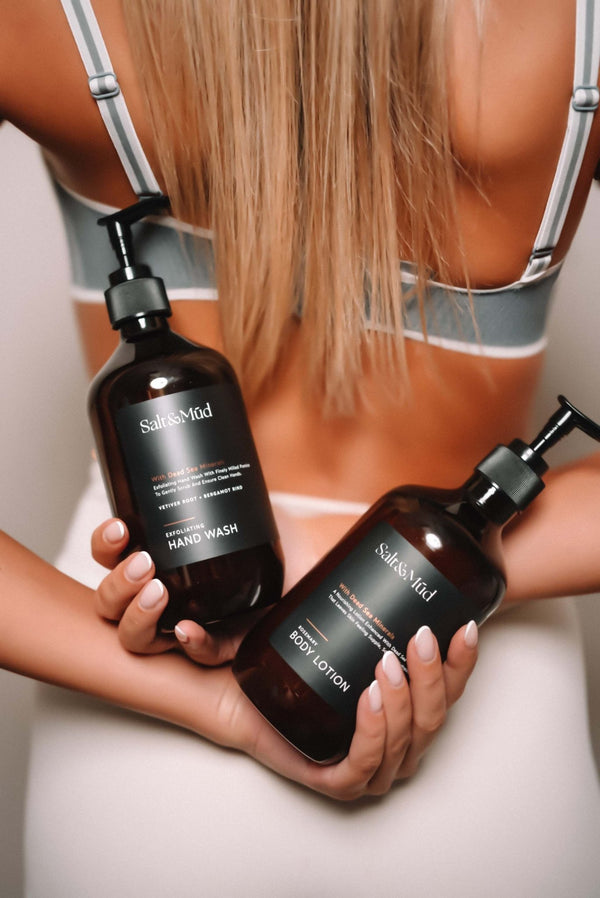
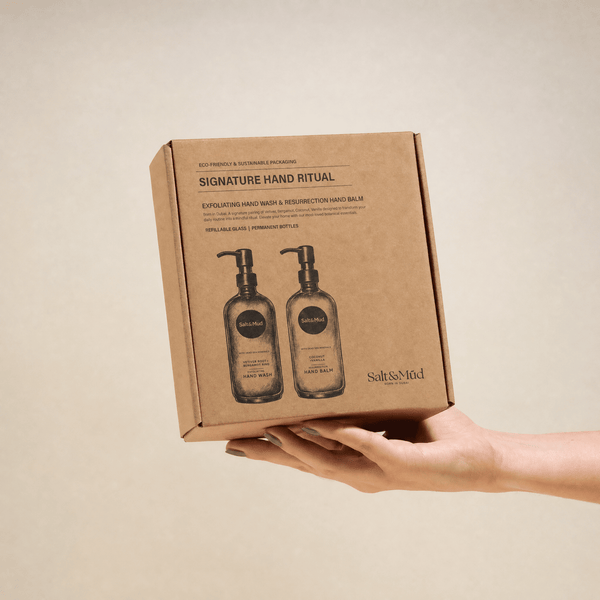
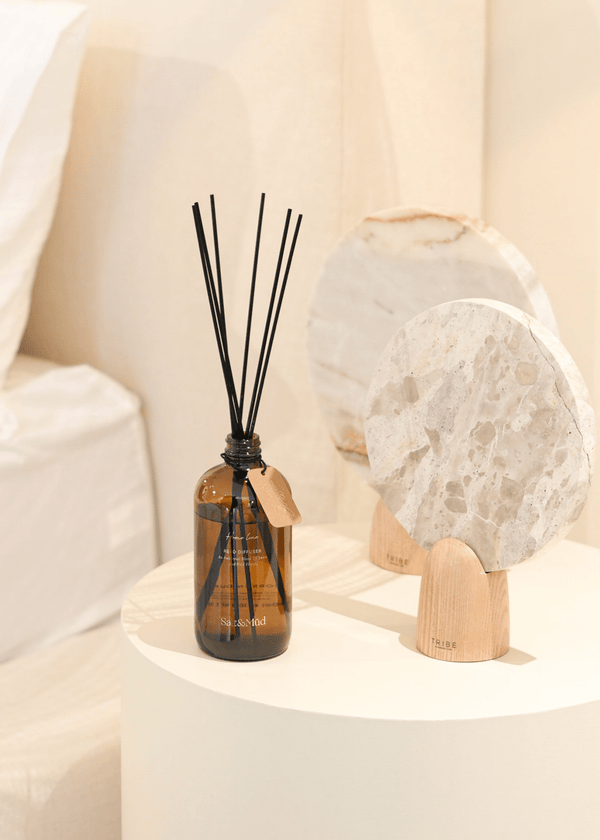

A guest may not remember every detail of a room, but they will remember how it made them feel. Hotel toiletries for guest experience are often the first personal touchpoint after check-in: a warm shower following a flight, a quiet moment at the sink before dinner, a familiar scent that makes an unfamiliar room feel considered. Done well, amenities turn practical care into a small, restorative ritual.
For boutique hotels, resorts, serviced residences, and design-led stays, this is not a minor operational decision. The formula, fragrance, bottle, and presentation all communicate something about the standard of hospitality. They can reinforce a property’s sense of place, reflect its values, and give guests a reason to linger a little longer in their own routine.
Why hotel toiletries shape the guest experience
The bathroom is one of the most private spaces a hotel offers. It is where guests reset before the day begins and unwind when it ends. Amenities that feel generic or overly perfumed can interrupt that sense of care. Products with a refined texture, balanced fragrance, and polished design can make even a short stay feel more personal.
This matters because luxury is increasingly felt rather than announced. Guests notice the softness of a hand wash after travel, the way a body lotion absorbs without leaving residue, and whether shampoo leaves hair feeling fresh and manageable. These are quiet details, yet they signal that the hotel has anticipated real needs instead of simply checking a box.
There is also a practical brand effect. A beautiful amenity can extend the stay beyond the room. A guest who enjoys the sensory experience may associate its scent with the property long after departure. When products are well designed enough to be used to the last pump rather than left untouched, they become part of the memory guests take home.
Build the ritual around the guest journey
The strongest hotel toiletry programs start with behavior, not a catalog. Consider when and how guests will use each item. A city hotel receiving late-night arrivals may prioritize an immediately comforting hand wash, hydrating body lotion, and a shower experience that feels calming without being sleepy. A beachside property may need lightweight, refreshing textures that suit warm weather and frequent rinsing.
Arrival is a particularly useful moment to design for. Travel leaves hands dry, skin feeling unsettled, and routines disrupted. A graceful set of essentials by the basin and shower creates an instant invitation to pause. The goal is not to overwhelm the bathroom with products. It is to provide the right ones with enough quality that guests recognize the difference.
Choose an edit, not an excess
A considered core set usually carries more impact than an overcrowded lineup. Hand wash, hand and body lotion, shampoo, conditioner, and body wash cover the most familiar rituals. Depending on the category of stay, a face cleanser, bath soak, or bath salts can add a more indulgent note.
The decision should reflect the room and the property. A compact business hotel may benefit from an elegant, highly functional edit. A resort with deep soaking tubs has more reason to introduce a bathing ritual. More products are not automatically more luxurious. If an item does not offer a clear use, it can create clutter, waste, and an unfocused impression.
Make fragrance part of the atmosphere
Fragrance is one of the fastest ways to create an emotional association, but it requires restraint. The best amenity scents are present enough to feel intentional and gentle enough for a broad range of guests. Fresh mineral notes, soft botanicals, clean woods, or a subtle citrus lift can complement a stay without competing with the hotel’s lobby scent, dining spaces, or a guest’s personal fragrance.
A signature fragrance can be powerful when it is carried consistently through hand care, body care, and selected room rituals. Still, consistency does not require intensity. A low-to-moderate fragrance profile is often the more sophisticated choice, especially in warm climates or rooms with smaller bathrooms.
Ingredients should feel as good as the story sounds
Guests have become more discerning about what they apply to their skin and hair. They are looking for formulas that are enjoyable to use, thoughtfully made, and aligned with a modern approach to self-care. Ingredient storytelling gives amenities depth, provided it remains honest and relevant to the sensory experience.
Mineral-rich ingredients, botanical extracts, and nourishing oils can support a feeling of comfort, softness, and replenishment. Dead Sea minerals, for example, bring a distinctive sense of place and ritual to body care, pairing naturally with a hospitality setting that values calm and renewal. The language should stay grounded in cosmetic benefits: skin that feels hydrated, cleansed, smooth, or refreshed.
Texture carries equal weight. A body wash should rinse cleanly while feeling generous in the hand. Lotion should provide lasting comfort without making guests wait to dress. Shampoo and conditioner should suit frequent use and leave a polished finish. Formula performance is where a premium promise becomes credible.
Hotel toiletries for guest experience need design discipline
Packaging has to work hard in a hospitality environment. It must look beautiful in the room, feel intuitive to use, withstand constant cleaning, and support an efficient housekeeping process. Those needs can coexist, but only when form and function are considered together.
Wall-mounted refillable dispensers can offer a clean, modern look while reducing the volume of single-use packaging. For many properties, they also simplify replenishment and create a more consistent presentation from room to room. The trade-off is that dispenser quality and installation matter greatly. A poorly positioned unit, a difficult pump, or labels that become unreadable under moisture quickly undermine the intended effect.
For suites, welcome stays, or special occasions, smaller take-home formats may still have a place. They can make the experience feel gift-like and provide a tactile reminder of the property. The most thoughtful approach is rarely all disposable or all refillable. It depends on room type, guest profile, local operations, and the experience the hotel wants to create.
Sustainability must be visible in the details
Guests increasingly recognize the difference between a vague environmental message and a system designed with care. Refillable formats, recycled materials, durable fixtures, and right-sized amenities are meaningful when they make the experience better rather than more complicated.
Clarity helps. Simple instructions on refillable bottles or dispensers can reassure guests that the hotel’s choices are intentional. Packaging should remain clean and elevated, not overly instructional. Luxury and sustainability can go hand in hand when the materials, functionality, and visual language all feel coherent.
Create a standard guests can trust
Consistency is the hidden luxury of hotel amenities. A guest should find the same scent, texture, fill level, and presentation in every room. That requires clear replenishment standards, reliable supply planning, and housekeeping training that treats amenities as part of the room’s visual finish rather than an afterthought.
Before committing to a collection, test it in real conditions. Ask staff whether pumps are easy to refill and clean. Check how labels look after repeated exposure to steam and water. Invite a small group of guests to use the products and describe what they notice first. Their answers may reveal whether the fragrance is too strong, the bottle is difficult to handle, or a lotion’s texture is exactly right.
A hospitality collection from Salt & Mūd can bring this balance into focus through mineral-powered care, refined sensorial details, and packaging designed with mindful use in mind. The aim is not simply to place products beside the sink. It is to create a moment of balance that feels quietly generous.
The best amenities leave guests with a simple impression: someone thought about this. When a shower, hand wash, or evening wind-down feels considered, the room becomes more than a place to sleep. It becomes part of the reason they would choose to return.