



Sensitive skin rarely asks for more. It usually asks for less friction, fewer surprises, and formulas that leave the complexion feeling soft rather than overworked. If you are wondering which ingredients suit sensitive skin, look beyond fashionable labels and focus on ingredients that support hydration, comfort, and a well-balanced skin barrier.
The most considered routine is not necessarily the shortest or the most expensive. It is the one your skin can enjoy consistently. Texture, concentration, fragrance, climate, and the rest of the formula all matter, so no single ingredient is a universal answer. Still, a few categories are especially worth seeking out when you want daily care to feel calm, refined, and restorative.
Start with what sensitive skin tends to prefer
Sensitive skin can be reactive to change: a new active, an overly enthusiastic exfoliating schedule, a strongly scented body cream, or even a cleanser that leaves skin feeling tight. This is why gentle formulation matters as much as the ingredients on the label.
Look for products that prioritize moisture retention and a comfortable finish. A formula can be beautifully natural, mineral-rich, or plant-based, but that alone does not make it the right choice for every sensitive complexion. The details matter: how much of an ingredient is present, what it is blended with, whether it is left on or rinsed away, and how often it is used.
Think of your routine as a daily ritual of restraint. When skin feels unsettled, introducing one thoughtful product at a time can be more rewarding than layering several new treatments at once.
Which ingredients suit sensitive skin? Look for these foundations
Humectants that draw in hydration
Glycerin is one of the most reliable ingredients for sensitive skin. It attracts water and helps skin feel hydrated without a heavy or greasy finish. It appears in everything from lightweight serums to rich body lotions, making it easy to include at different points in a routine.
Hyaluronic acid is another familiar humectant. Despite its name, it is not an exfoliating acid. It is valued for its ability to bind water, giving skin a more supple, refreshed feel. In dry environments or heavily air-conditioned spaces, pair it with a moisturizer afterward. Humectants work best when there is a cream or oil-based layer to help hold that moisture in place.
Other welcome options include sodium PCA and beta-glucan. These ingredients can bring a cushiony, comfort-focused quality to formulas, especially when skin prefers a simple, hydrated finish over a highly active routine.
Barrier-supporting lipids
Ceramides are lipids naturally found in the outermost layers of skin. In skincare, they are often paired with cholesterol and fatty acids to support a smooth, conditioned feel. A ceramide-rich moisturizer can be particularly appealing when your skin seems dry, tight, or easily disrupted by weather and cleansing.
Squalane is another elegant option. This lightweight emollient helps soften the skin and reduce that uncomfortable, papery feeling associated with dryness. It is often appreciated because it spreads beautifully, sits well under sunscreen or makeup, and offers nourishment without the weight of richer oils.
For body care, shea butter can also be a lovely choice. Its richer texture may suit dry areas such as hands, elbows, knees, and legs. If your face is prone to feeling congested with heavier products, use shea-based formulas selectively rather than assuming that a body butter belongs everywhere.
Gentle oils and emollients
Sensitive skin does not need to avoid oils altogether. In fact, well-chosen emollients can help a moisturizer feel more protective and luxurious. Jojoba oil, sunflower seed oil, and oat oil are commonly used to add softness and improve slip.
Sunflower seed oil is particularly valued for its naturally occurring linoleic acid, while jojoba oil has a light, balanced feel that many people enjoy. The right oil depends on your preferences as much as your skin type. A dry complexion may welcome a richer facial oil at night, while combination skin may prefer a few drops blended into moisturizer.
The key is freshness and simplicity. Oils can deteriorate over time, and elaborate blends containing many aromatic extracts may be less predictable for a sensitive routine than a focused formula with a clear purpose.
Comforting botanical and skin-conditioning ingredients
Finely milled oat ingredients, panthenol, allantoin, and bisabolol are frequently included in formulas designed for comfort. They can lend a soft, soothing quality to creams, cleansers, and masks, making the overall experience feel less harsh.
Panthenol, also known as provitamin B5, is a particularly versatile ingredient. It works well in both face and body care and contributes to a hydrated, smooth feel. Allantoin is often found in gentle everyday products, where it supports a polished texture without relying on aggressive exfoliation.
Botanical ingredients can be beautiful additions, but they deserve the same discernment as anything else. A minimal oat or calendula formula may feel lovely; a product crowded with fragrant plant extracts may be less suitable. Natural does not automatically mean gentle.
Mineral-rich formulas, used with care
Minerals have a distinctive place in a sensory self-care ritual. Dead Sea mud and mineral salts can make bath, body, and wash-off treatments feel grounded, purifying, and indulgent. Their earth-derived character is part of what makes them so compelling.
Yet mineral concentration and contact time matter. A highly salted product may not feel comfortable on every sensitive complexion, particularly after shaving, exfoliating, or spending time in dry heat. Choose thoughtfully formulated products, keep first use brief, and follow with a nourishing moisturizer. For sensitive skin, a mineral ritual should feel measured and restorative, never like a test of endurance.
Ingredients that may need a more cautious approach
This is not a list of ingredients to fear. Many can work beautifully for some people. But when sensitivity is a concern, it helps to introduce them slowly and assess the full formula rather than relying on a single claim on the front of the bottle.
Fragrance is often the first consideration. A signature scent can transform a shower or bath into a more transportive experience, but fragranced facial care may be less comfortable for some sensitive skin types. Essential oils and aromatic botanical extracts also contribute scent, even when a product is described as naturally fragranced.
High-strength exfoliating acids, retinoids, physical scrubs, and strong cleansing agents can also be demanding when used too frequently. If you enjoy exfoliation, choose a gentle format, use it sparingly, and avoid stacking multiple active products in the same routine. The goal is a clear, polished look that still feels comfortable.
Denatured alcohol is another ingredient worth considering in context. It can create an instantly weightless, quick-drying texture, which some people enjoy. In a formula already built around several potent actives, however, it may not be the most comforting choice for easily unsettled skin.
How to choose a formula with confidence
Start by reading past the hero ingredient. A product may feature a botanical oil or mineral complex, but the ingredients listed near the beginning usually tell you more about its overall character. Look for a practical base of humectants, emollients, and gentle skin-conditioning ingredients, then consider whether fragrance and active ingredients fit your tolerance.
When trying something new, patch test first. Apply a small amount to a discreet area, such as the inner arm or along the jawline, and give your skin time to respond before making it a daily essential. This is especially useful with masks, exfoliating products, concentrated serums, and fragranced body care.
Introduce one new product at a time. It may feel less exciting than refreshing your entire shelf, but it gives you a much clearer sense of what your skin genuinely enjoys. Keep the rest of the routine familiar for a week or two, then decide whether the new addition earns a permanent place.
Create a sensitive-skin ritual that feels luxurious
A refined routine can be wonderfully simple. In the morning, cleanse only as much as your skin needs, apply a hydrating layer, and finish with a moisturizer that feels comfortable throughout the day. In the evening, take a little more time: use a gentle cleanser, replenish with a barrier-supporting cream, and add a light oil only if your skin welcomes it.
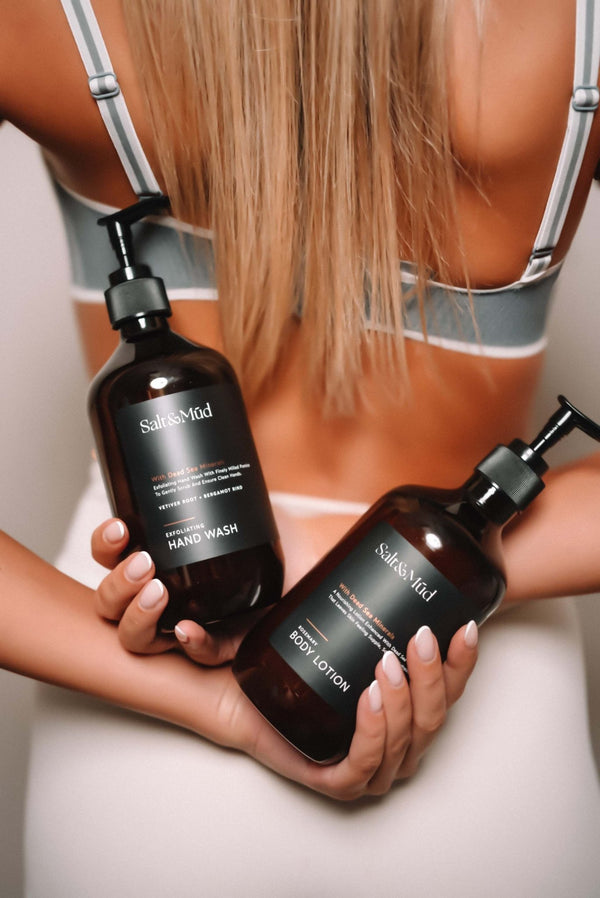
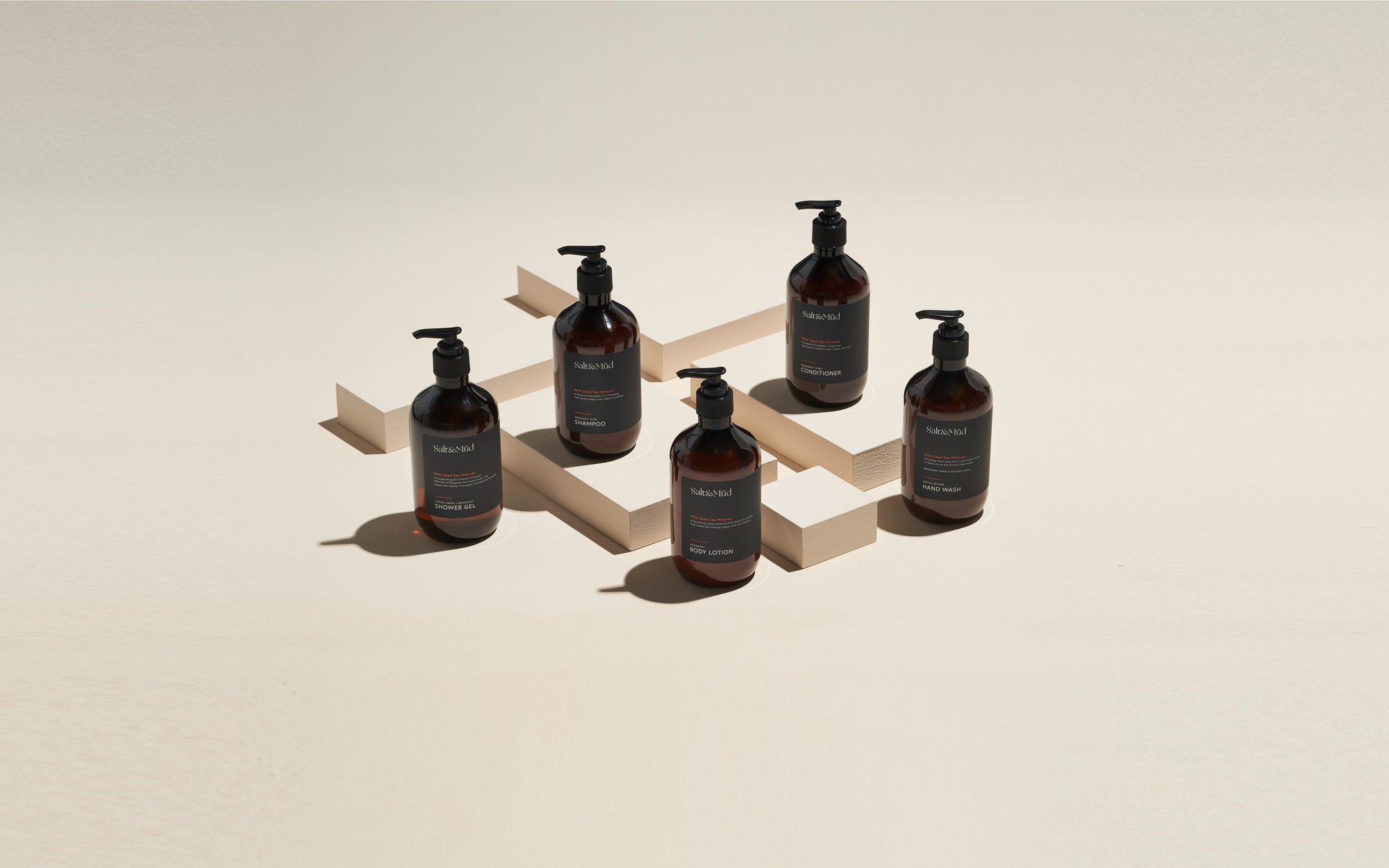
For the body, let texture lead the ritual. A creamy wash, a mineral-inspired bath moment, and a moisturizer applied to slightly damp skin can turn practical care into a quieter pause. Salt & Mūd embraces this balance of mineral-rich sensoriality and mindful simplicity: luxury and sustainability can sit naturally within the same daily ritual.
Your skin does not need a crowded cabinet to feel cared for. Choose ingredients with a clear role, give each formula room to show you how it performs, and let comfort be the standard that guides every next step.