

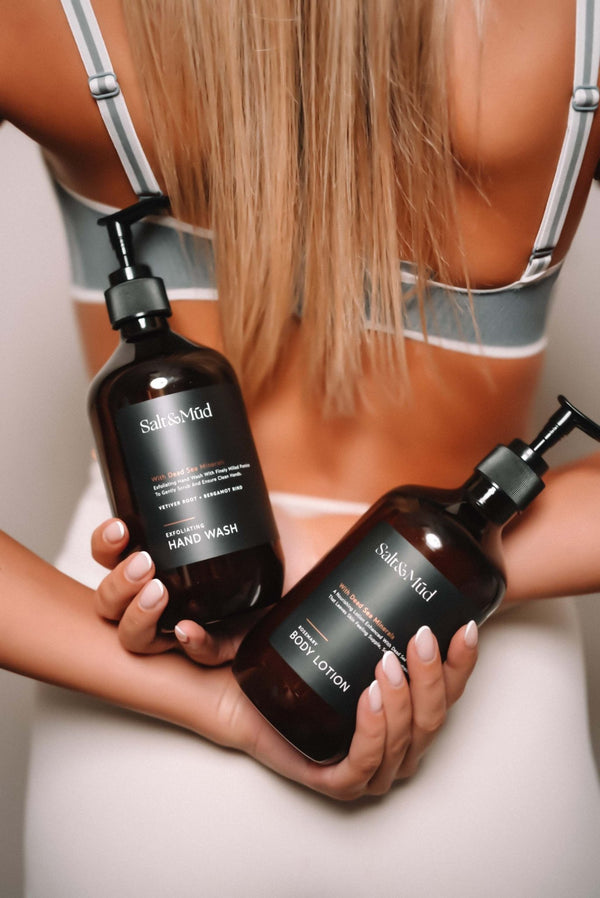
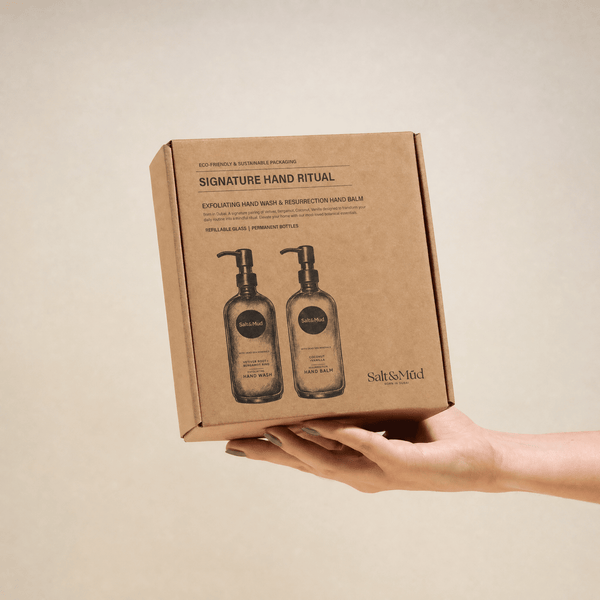
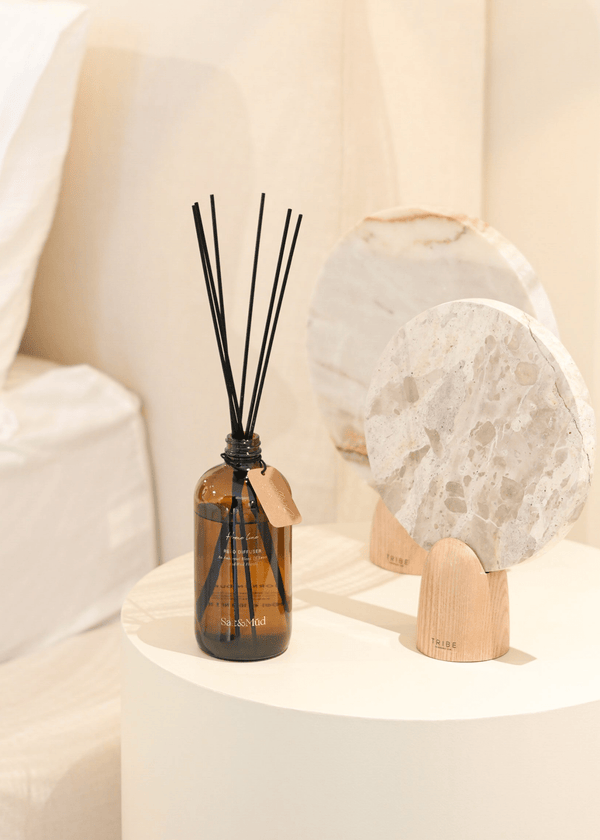

A guest may never ask where the hand wash came from, but they will notice how it feels. The weight of the bottle, the fragrance that lingers after a shower, and the way a body lotion absorbs can quietly define whether a room feels merely well equipped or genuinely cared for. This guide to hotel amenity sourcing is for properties that see those small moments as part of the stay itself.
For boutique hotels, resorts, wellness retreats, and design-led rentals, amenities are no longer a simple procurement category. They are a physical expression of the brand: a chance to offer comfort, signal values, and turn a practical routine into a brief ritual of restoration.

Start With the Guest Experience You Want to Create
Before comparing bottle sizes or requesting price sheets, define the emotional impression your property wants to leave. A coastal retreat may call for mineral-rich cleansing and a clean, grounding scent. An urban hotel might favor polished, compact formats that offer a moment of calm amid a fast-moving itinerary. A family-focused property may prioritize gentle formulas, clear labeling, and convenient replenishment.
This first decision keeps sourcing focused. Without it, buyers can end up choosing generic products that meet a budget but add little to the guest experience. Amenities should feel coherent with the lobby, linens, in-room design, dining program, and service style. When every touchpoint has a distinct point of view, guests remember the feeling of the property long after checkout.
Think about the full ritual, not only individual items. Hand wash is often a guest's first personal interaction with the room. Shampoo and conditioner should work together and suit a broad range of hair types. Body wash, lotion, and soap can create a quiet sense of continuity through fragrance and texture. If your rooms include bath salts, bath soaks, or other considered extras, they should enhance the experience rather than feel like novelty additions.
A Guide to Hotel Amenity Sourcing That Begins With Quality
Premium does not have to mean excessive. It means selecting formulas and materials with purpose. Guests are discerning about what they put on their skin, particularly in wellness-oriented and luxury settings. Ingredients, performance, scent, and packaging all deserve scrutiny.
Ask prospective suppliers where ingredients are sourced, how formulas are tested, and whether products meet the regulatory requirements of every market where your property operates. For a hotel group with international locations, this can shape the supplier shortlist early. For an independent property, it may be more useful to focus on ingredient transparency, allergen information, and the reliability of local fulfillment.
Natural ingredients can be compelling when their role is clear. Mineral-rich Dead Sea ingredients, for example, bring an established association with purification, hydration, and restorative body care. Yet the ingredient story must be matched by a formula guests enjoy using. A beautiful claim cannot compensate for a lotion that feels waxy, a shampoo that leaves hair dry, or a fragrance that overwhelms a small bathroom.
Request samples and test them in real conditions. Invite staff from housekeeping, guest relations, and operations to take part. They will spot details that may not be visible in a product presentation: a pump that sticks, a cap that leaks during cleaning, a label that becomes unreadable when wet, or a scent that feels too strong across multiple room turns.
Choose Fragrance With Restraint
Fragrance is one of the fastest ways to create a sense of place, but it is also personal. A refined amenity scent should feel present without taking over the room. Clean mineral notes, soft botanicals, subtle citrus, and warm woods can support a restorative atmosphere while remaining broadly appealing.
Consider guests with sensitivities as well. Fragrance-free options may suit certain properties, while others may choose a light signature scent for standard rooms and offer an unscented alternative upon request. The right choice depends on your guest profile and operational capacity. What matters is having a thoughtful policy rather than treating scent as an afterthought.
Treat Packaging as Part of the Stay

A hotel amenity bottle is handled repeatedly, often with wet hands, and viewed at close range. It needs to be functional, durable, and aligned with the room's visual language. In a premium setting, packaging should feel considered without becoming fussy.
Single-use miniatures once offered convenience and a familiar luxury cue. Their environmental cost, storage demands, and waste volume have made them harder to justify, especially for properties with strong sustainability commitments. Refillable, wall-mounted dispensers can reduce material use and simplify housekeeping, but only if the system is hygienic, easy to maintain, and visually appropriate for the room.
The decision is not always either-or. Suites, villas, or welcome gifting may benefit from smaller take-home formats, while standard guestrooms use refillable dispensers. Some operators prefer recyclable aluminum or recycled plastic bottles that can be refilled within a controlled program. The best format balances guest perception, local waste infrastructure, sanitation protocols, theft or breakage risk, and labor requirements.
Look beyond the primary bottle. Outer cartons, tamper seals, pump components, labels, and shipping materials all contribute to the environmental footprint. Ask suppliers how much recycled content is used, whether materials can realistically be recycled where your hotel operates, and how refill logistics are managed. A sustainability claim is most valuable when it holds up in daily operations.
Build Sustainability Into the Buying Decision
Guests increasingly expect hospitality brands to reduce unnecessary waste, but they are also quick to notice when sustainability feels performative. Clear choices tend to have the greatest impact: avoiding needless plastic, selecting refillable systems where they can be properly maintained, and using products guests will use fully because the quality is genuinely appealing.
Sustainable sourcing also includes the human side of the supply chain. Ethical ingredient sourcing, responsible manufacturing, fair labor practices, and transparent standards all matter. Your supplier should be able to speak plainly about these commitments. Vague language is not enough when a property is placing its own reputation beside a product.
Cost deserves an honest place in the conversation. A lower unit price can be misleading if a product is frequently over-dispensed, poorly received, or difficult to restock. A higher-quality dispenser system may cost more at the outset but lower waste and improve consistency over time. Review total cost of ownership, including shipping, storage, installation, refills, staff time, and expected product usage.
Evaluate Suppliers as Long-Term Partners
A beautiful product is only one part of a dependable amenity program. Hotels need suppliers who can provide consistent inventory, accurate lead times, responsive account support, and clear documentation. This becomes especially significant during peak seasons, renovations, openings, and unexpected shifts in occupancy.
Ask how the supplier handles backorders and substitutions. Find out whether minimum order quantities suit your property size, whether custom labeling is available, and what lead time is required for branded packaging. A smaller independent hotel may need flexible ordering and a curated standard collection. A multi-property group may need centralized logistics, uniform specifications, and the ability to scale without compromising quality.
It is wise to assess the supplier's service rhythm before committing. Are samples delivered promptly? Are product specifications easy to understand? Do they explain refill procedures clearly? A partner who is precise during the selection process is more likely to be reliable once amenities become part of your weekly operations.
For properties seeking mineral-based body care with a premium, ritual-focused point of view, Salt & Mūd reflects how skincare can bring together sensorial refinement, conscious materials, and a meaningful guest experience.
Create a Practical Approval Process
Bring the key stakeholders together before signing off. Housekeeping needs products that are efficient to replace and clean around. Operations needs predictable supply and manageable costs. Brand and design teams need an experience that looks and feels right. Guest-facing teams can offer valuable insight into common requests, complaints, and preferences.
A short pilot in a select group of rooms often reveals more than a long meeting. Track product consumption, dispenser performance, housekeeping feedback, guest comments, and any maintenance issues. Then make adjustments before a full rollout. This approach may take more time initially, but it protects both the guest experience and the budget.
Let Amenities Carry Your Standards Into Private Moments
The strongest hotel amenities do not ask guests to admire them. They simply make the room feel better to be in. A cleansing moment becomes calmer, a late-night shower feels more restorative, and a familiar routine gains a little more care.
Source with that private moment in mind. When formula, fragrance, packaging, sustainability, and service are chosen with equal intention, even the smallest bottle can communicate the standards your guests came to experience.
Salt & Mūd supplies hotels, spas and serviced residences across the UAE and the GCC. Request a sample set, or share your property details through the B2B enquiry form and we will come back with a recommended amenity program.

