


A guest may forget the lobby fragrance or the artwork in the elevator, but the first shower after a long flight has a way of shaping their impression of a stay. Choosing a hotel toiletries supplier UAE hospitality teams can rely on is therefore not a minor procurement decision. It is a quiet expression of the property’s standards, care, and point of view.
For boutique hotels, resorts, serviced residences, and wellness-led stays, amenities are no longer simply practical items placed beside the sink. They are part of the room’s atmosphere. The texture of a body lotion, the clarity of its ingredient story, and the finish of the bottle all contribute to whether a guest feels considered.
What Guests Notice in Hotel Toiletries
Guests do not assess hotel amenities with a checklist in hand, but they notice the details instinctively. A hand wash that feels drying, a heavily perfumed shower gel, or a flimsy bottle can undermine an otherwise refined room. On the other hand, a well-composed amenity collection can make a compact city hotel feel more generous and a resort suite feel more personal.
The most memorable toiletries balance three elements: sensory pleasure, visible quality, and ease of use. The fragrance should feel distinctive without overwhelming the room. Formulas should leave skin and hair feeling clean, comfortable, and cared for. Packaging should be attractive on the vanity while remaining intuitive for guests of every age and travel background.
In the UAE and across the GCC, this balance matters even more. Guests often arrive from dry outdoor conditions, air-conditioned flights, and full travel schedules. Hydrating, softening body care and gentle cleansing rituals naturally complement the restorative promise of hospitality.
Choosing a Hotel Toiletries Supplier in UAE
The right supplier should understand that amenities sit at the meeting point of operations, design, and guest experience. A beautiful product is only one part of the decision. Hotel teams also need consistency across deliveries, clear specifications, appropriate product formats, and a collection that supports the character of the property.
Start by considering the kind of stay you want to create. A design-forward city hotel may prefer clean lines, restrained fragrance, and compact dispensers that suit modern bathrooms. A beach resort may lean toward a more sensorial collection with body care that encourages guests to linger after a shower. A wellness retreat may place greater emphasis on ingredient provenance, calm fragrance notes, and refill-minded choices.
A supplier should be able to support that intention rather than offering a generic amenity range that could belong anywhere. Ask whether the formulas, scent profile, bottle finish, and presentation can create a coherent extension of your interiors and service philosophy.
Formula Quality Is Part of the Guest Experience
A premium amenity should feel good to use, not merely look good on a shelf. Seek formulas with a clear, credible approach to ingredients and a texture that performs well in real guest rooms. This means considering how a shampoo rinses, whether a conditioner leaves hair feeling manageable, and how quickly a body lotion absorbs before a guest gets dressed.
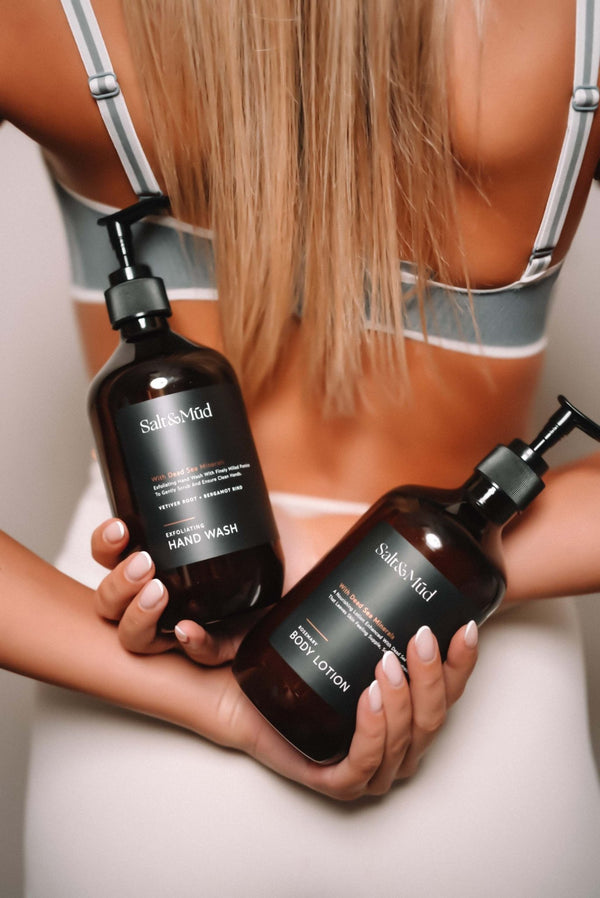
Ingredient storytelling can add meaningful value when it is honest and relevant. Mineral-rich Dead Sea ingredients, for example, bring a sense of place, purification, and indulgent care to everyday routines. They can turn a simple shower into a brief pause for restoration without making exaggerated promises.
Fragrance deserves the same level of attention. It should suit the property’s mood and remain pleasant for guests with varied preferences. Light, balanced scents tend to work well in shared hospitality environments. The goal is a lingering sense of freshness, not a fragrance that competes with the room, restaurant, or spa.
Packaging Must Work Beyond the Photoshoot
Hotel amenity packaging is handled constantly by guests and housekeeping teams. It needs to look polished after repeated use, dispense reliably, and sit securely on wet surfaces. Pumps, wall-mounted dispensers, and refillable bottles may each be appropriate, depending on the room type and operational model.
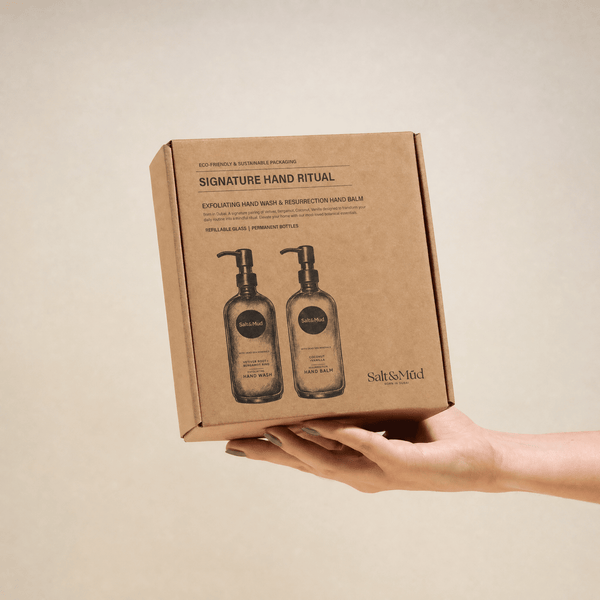
Single-use formats can be useful for specific settings, particularly where compact presentation or individual portions are required. Yet they also create more material to manage. Refillable dispensers reduce packaging waste and can reinforce a hotel’s broader sustainability commitments, though they require thoughtful placement, reliable replenishment procedures, and a housekeeping team trained to maintain a pristine finish.
The best choice depends on the property. A high-turnover business hotel may prioritize efficient refilling and durable fixtures, while a villa resort may choose larger, beautifully weighted bottles that feel residential. Sustainability and luxury can go hand in hand when the format is selected with both guest comfort and daily operations in mind.
Sustainability Should Be Visible, Not Performative
Travelers increasingly look for evidence that a hotel’s environmental values extend beyond a card asking them to reuse towels. Amenities are one of the clearest places to demonstrate that care. Recycled materials, refill formats, considered outer packaging, and products designed to minimize unnecessary waste all communicate a more mindful approach.
Still, sustainability should never make the room feel compromised. Guests should not have to struggle with a dispenser, question the cleanliness of a refillable bottle, or encounter packaging that looks purely functional. The strongest amenity programs make responsible choices feel natural, elevated, and effortless.
When reviewing a hotel toiletries supplier in UAE, ask practical questions about packaging materials, refill systems, product shelf life, and how the supplier approaches waste reduction. A clear answer is more valuable than broad environmental language. Your hotel needs choices that can be maintained consistently at scale.
Reliability Matters as Much as the Product
Amenities become most visible when they are missing. A delayed delivery, mismatched bottle batch, or inconsistent product availability can disrupt housekeeping routines and create avoidable pressure for hotel teams. This is why supplier reliability deserves the same scrutiny as fragrance and design.
Consider how the supplier communicates, how clearly they define lead times, and whether they can support the volume and frequency your property requires. For hotels operating across the UAE, Saudi Arabia, Kuwait, or the wider GCC, regional familiarity can be especially valuable. It helps align supply planning with the realities of seasonal occupancy, event calendars, and multi-property operations.
It is also wise to request samples and test them in an actual guest room before making a larger commitment. View the bottles in the bathroom lighting, use the products after a shower, and ask housekeeping staff for their perspective. Their feedback will reveal practical details that a presentation table cannot.
Build Amenities Into Your Brand Story
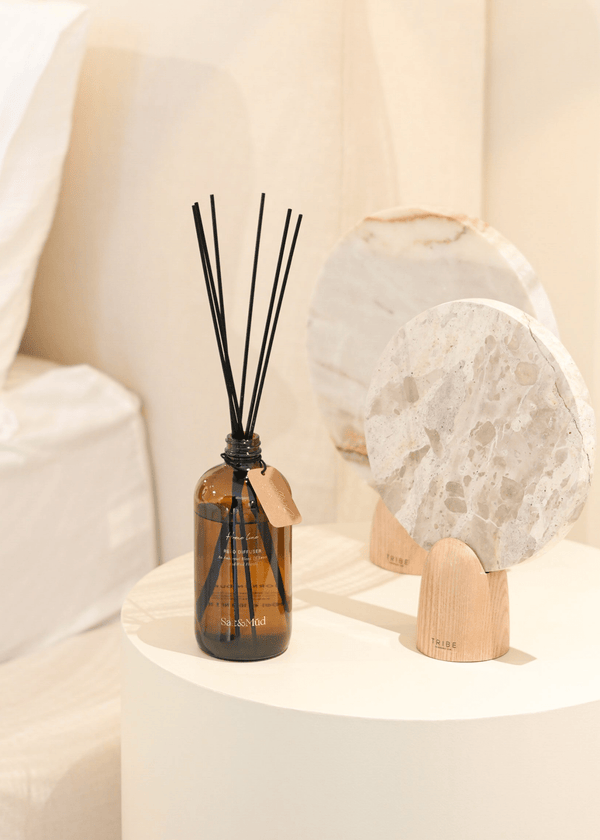
The most successful hotel amenities do not feel like an afterthought. They echo the same care found in the bedding, the breakfast service, and the welcome at reception. A mineral-powered collection can complement a spa-inspired hotel concept. A refined refillable range can strengthen a property’s commitment to thoughtful design. A distinctive scent can become a subtle part of the memory guests take home.
Salt And Mud’s hospitality collections are shaped around this idea of daily rituals: elevated essentials that invite guests to relax, recharge, and find balance. For properties seeking a premium expression of natural ingredients and responsible design, that approach can turn a familiar bathroom moment into a lasting touchpoint.
The right amenities do not need to demand attention. They simply make guests feel that someone anticipated their needs before they arrived - and that is the kind of care they remember when choosing where to stay next.

