

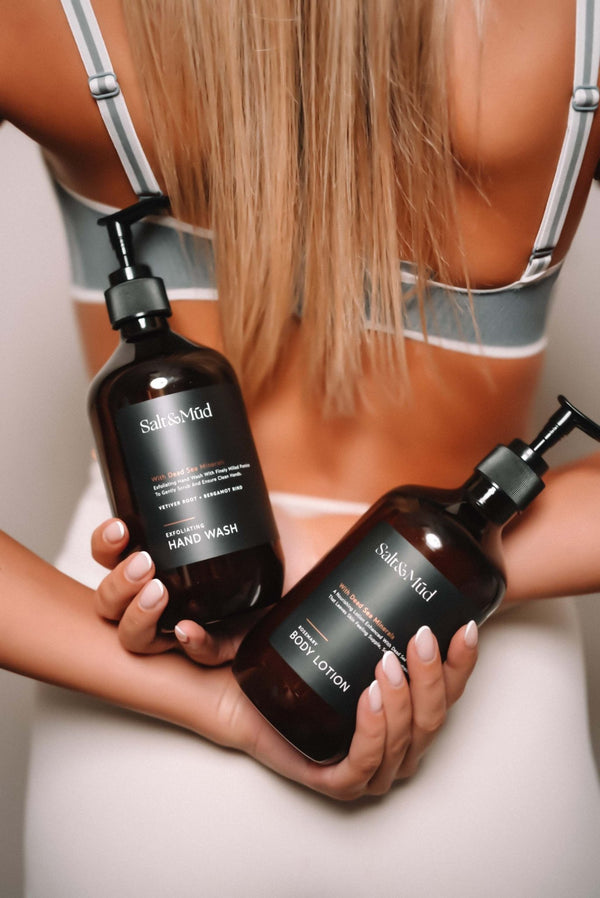
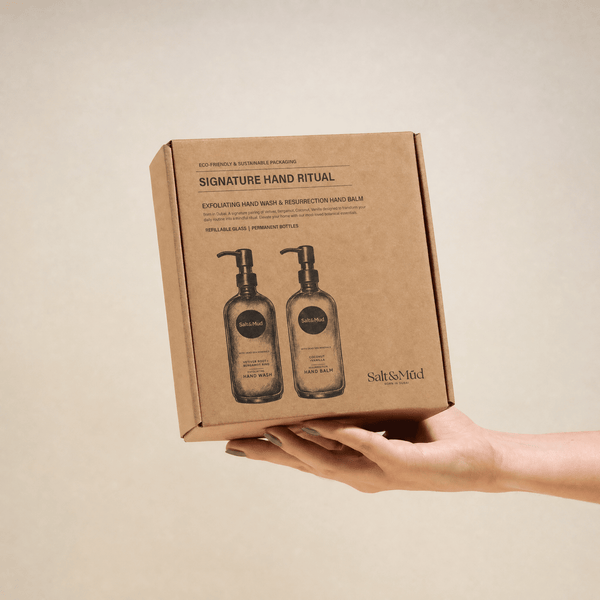

A beautiful bathroom shelf can hold more than products. It can reflect the choices behind your daily rituals: what you use, what you keep, and what you send away when it is empty. This guide to sustainable beauty refills is designed for anyone who wants their self-care routine to feel considered, luxurious, and lighter on waste without turning every purchase into a research project.
Refills offer a simple shift in perspective. Rather than treating a finished body wash, hand soap, or shampoo as disposable, you keep the vessel you enjoy and replenish what belongs inside it. The best systems preserve the sensory pleasure of a premium product while asking less of new packaging over time.
What makes a beauty refill genuinely sustainable?
A refill is not automatically the most thoughtful option simply because it carries that label. Its value depends on the full design: the durability of the original bottle, the material and weight of the refill, how many times the bottle can be reused, and whether the packaging can be handled responsibly after use.
The strongest refill models begin with a lasting outer vessel. A substantial pump bottle, jar, or dispenser should be made to stay in your home, feel good in the hand, and withstand regular use. The refill then replaces only what is necessary. This can reduce the demand for repeat pumps, caps, heavy glass, and decorative secondary packaging.
Material still matters. Recycled content helps give existing resources a longer life, while packaging designed for recycling supports the next stage of that cycle. However, local recycling systems vary. A package that is technically recyclable may not be accepted where you live, especially if it combines several materials. Clear instructions and simple components are often more useful than broad environmental language.
There is also a practical question: will you actually refill it? A system that is difficult to open, messy to pour, or poorly matched to the original container is less likely to become a lasting habit. Sustainability works best when it is integrated into real life, not added as another chore.
Start with the products you use most
The most effective place to begin is not with a complete bathroom overhaul. Look at the products you finish consistently. Hand wash beside the sink, body cleanser in the shower, bath salts, lotion, and shampoo are often better candidates for refills than an item used only occasionally.
Choose one or two staples and make them part of your rhythm. When the bottle is close to empty, set aside time to clean it, refill it, and return it to its place. This small pause can make routine care feel intentional rather than purely functional.
For a premium ritual, consider the sensory details that make a product worth returning to: a fragrance that settles the room, a texture that feels generous on skin, or a mineral-rich formula that leaves the body feeling softened, fresh, and comfortably hydrated. A refill should not require you to compromise on the experience you look forward to.
At Salt And Mud, this balance is central to the idea that luxury and sustainability can go hand in hand. A well-designed refill format lets a favorite daily ritual continue while reducing the need to replace the full presentation each time.
How to choose a refill system that suits your routine
Before bringing home a refill, examine the original container as carefully as the formula. Is the bottle sturdy enough for repeated use? Does the pump dispense cleanly? Can you open it without damaging the collar or closure? A beautiful container has greater value when it is made to remain useful.
Next, think about storage. Refill pouches and bottles need a clean, dry place away from direct heat. If you share a bathroom or have limited cabinet space, smaller refills may be more practical than buying the largest format available. The most sustainable size is the one you can store properly and finish before the product's recommended use period.
Formula compatibility deserves attention too. Use a refill only with its intended vessel unless the brand clearly advises otherwise. Different products need different pumps, preservative systems, and dispensing methods. Transferring a formula into a random container can create unnecessary spills, affect product performance, or make it harder to keep the dispenser clean.
If you are choosing between a lightweight refill pouch and a rigid refill bottle, there is no universal winner. Pouches often use less material and take up less room during transport, but they may be harder to recycle locally. Rigid bottles can be easier to sort in some areas, though they use more material. Your local collection options and your ability to reuse the original vessel are both part of the answer.
Refill with care: a simple ritual for cleaner use
Refilling is easy, but a few careful steps protect both the product and the pleasure of using it. Wait until the original bottle is nearly empty, rather than topping it up repeatedly. This helps prevent older residue from lingering beneath a new fill.
Wash the bottle and pump according to the product's care guidance. In many cases, warm water and a thorough rinse are enough. Allow every component to dry completely before refilling, particularly the pump tube and the inside of the bottle. Water left behind can dilute a formula or introduce unwanted moisture.
Pour slowly on a stable, clean surface. A funnel can be helpful for narrow-necked bottles, but it should be clean and fully dry. Wipe the threads before replacing the pump, then label the vessel if there is any chance it could be confused with another product. This is especially useful in households with matching bottles or shared bath spaces.
Finally, give the bottle a quick wipe and return it to its usual place. This last detail may sound small, yet it preserves the calm visual order that makes a bathroom feel restorative.
Avoid the common refill mistakes
The goal is not perfection. It is building a system you can repeat. Still, a few habits can undermine an otherwise thoughtful choice.
Do not keep damaged containers in service indefinitely. A cracked cap, faulty pump, or bottle that no longer closes securely can lead to wasted product. If a component can be replaced, that may extend the life of the vessel. If not, follow the packaging guidance for disposal and begin again with a container designed for long-term use.
Avoid stockpiling more refills than you can use. Buying in volume can seem efficient, but it is only sensible when you have space to store products well and a routine that reliably uses them. Heat, humidity, and prolonged storage can work against the quality of personal care formulas.
It also helps to resist mixing scents and remnants simply to avoid a small amount of product left in the bottle. Finish one formula before introducing the next. The result is cleaner, more consistent, and more enjoyable.
Make refills part of a more mindful beauty cabinet
A refill routine has the most impact when paired with a little restraint. Keep products that earn their place through regular use, a sensorial experience, and packaging you are happy to live with. Finish what you own before opening something new. Choose versatile essentials that support multiple moments of care, from a grounding shower to a slow evening bath.
This approach does not have to make your shelf less expressive. In fact, it can make it more personal. Refillable vessels allow you to select objects with presence, then keep them in circulation. The bathroom becomes less about accumulating packaging and more about maintaining rituals that feel good to return to.
A refined habit worth keeping
Sustainable beauty refills are not a promise that one purchase solves waste. They are a practical, repeatable choice: keep what is designed to last, replenish what you genuinely use, and care for each object a little longer. Start with the product that meets your hand every day, and let that single refill become a quieter, more considered form of self-care.

